
Gas Is $4.30 a Gallon. Maybe It’s Time to Interrupt Autopilot.
“Wait… how much?”
If you’ve filled up your gas tank lately, you’ve probably had the same reaction as everyone else.
With gas prices hovering around $4.30 per gallon, commuting has become a lot more expensive for Hampton Roads workers. And it isn’t just the price at the pump. It’s the tolls. The parking fees. The oil changes. The maintenance appointments. The tire replacement you weren’t expecting. The random repair that somehow appears the exact month your budget was finally starting to recover.
Driving alone every day has always come with costs, but rising gas prices are making them harder to ignore.

Source: unsplash.com/engin akyurt
Most of Us Are Commuting on Autopilot
The frustrating part is that most people aren’t carefully evaluating every commuting option – they’re just following routine.
We wake up, grab the keys, drive to work, drive home, and repeat the same routine the next day. Not because we enjoy traffic or fuel costs, but because routines are comfortable.
And when life gets busy, we stop questioning them.
Meanwhile, gas prices keep climbing, everyone complains for a few minutes, and then we’re back in the car the next morning doing the same commute again.
But what if you changed just one trip? Not your entire lifestyle. Not your job. Not where you live. Just one part of the routine.
Sometimes saving money isn’t about making a massive change – it’s about realizing there are options you haven’t taken time to explore.
The Real Cost of Driving Alone
When gas prices rise, most commuters focus only on fuel costs. But the real cost goes deeper.
Every mile you put on your vehicle contributes to:
• Maintenance
• Wear and tear
• Insurance costs
• Parking expenses
• Tolls
For commuters traveling from Suffolk, Isle of Wight, Williamsburg, or Chesapeake into larger employment centers throughout Hampton Roads, those costs can quietly add up to hundreds of dollars each month.
The good news is that reducing those expenses doesn’t require giving up your car entirely. Many commuters are already exploring commuter solutions that reduce daily costs without fully changing their routine.
Option 1: Try Carpooling in Hampton Roads – Even Just Once a Week
One of the easiest ways to lower commuting costs in Hampton Roads is simply sharing the ride.
Carpooling often gets treated like an all-or-nothing commitment, but it doesn’t have to be. Even carpooling in Hampton Roads with a coworker one or two days a week can help reduce fuel costs, cut vehicle wear and tear, and give you a break from driving alone every day.
And honestly, it’s less about becoming a “carpool person” and more about splitting driving responsibilities. Fewer miles means less money spent at the pump – without dramatically changing your routine.

Option 2: Consider Vanpooling
For longer commutes, vanpooling can offer even bigger savings by sharing transportation costs with others traveling similar routes, while reducing miles on personal vehicles.
Option 3: Telework When Possible
If your employer offers a hybrid schedule, even one or two remote days per week can make a meaningful difference for any commuter.
Fewer commute days mean:
• Less fuel
• Fewer tolls
• Reduced maintenance costs
• More time back in your day
Many commuters underestimate how much they can save by eliminating just a few trips each month. Platforms like goCommute help make those options easier to explore.
Option 4: Use Transit Strategically
Transit can play a larger role than people expect.
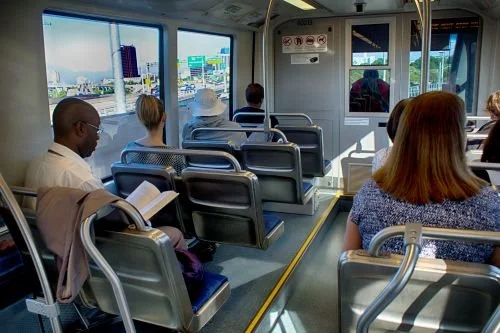
Many Hampton Roads commuters already combine driving and transit using Park & Ride lots or partial trip planning. Even occasional use can reduce fuel and parking costs while giving you a break from driving.
Source: Hampton Roads Transit
Don’t Forget the Small Trips
Short trips add up – grocery runs, errands, coffee stops, quick pickups.
Individually, they don’t seem like much, but together they increase fuel use and mileage. Combining errands or walking/biking when possible helps stretch a tank further without major lifestyle changes.
It Doesn’t Have to Be All or Nothing
Transportation doesn’t have to be all or nothing.
You don’t need to become a full-time cyclist, sell your car, or reinvent your routine. Small adjustments create meaningful results over time.
Through goCommute, eligible commuters can log carpool, vanpool, transit, biking, walking, or telework trips for chances to win gift cards through commuter rewards raffles. The program also includes tools like a commuter savings calculator and ride-matching support from regional commuter programs.
For commuters worried about flexibility, Ride Home Rewards through the ConnectingVA app provides backup options when plans change.
This Isn’t Really About Gas Prices
At the end of the day, this isn’t really about gas prices. It’s about habits.
Most of us have been commuting the same way for years simply because it’s familiar. We know the route, the traffic patterns, and where congestion starts and ends.
But when circumstances change, routines deserve another look.
And with gas sitting at $4.30 a gallon, now feels like a good time to ask whether your commute is still the best fit for your budget as a commuter.

This Month’s Challenge
Don’t change everything. Don’t strive for perfection. Just interrupt autopilot once.
• Carpool one day
• Try transit for a trip
• Work remotely if possible
• Explore one option you haven’t tried before
Because sometimes the biggest savings don’t come from dramatic changes – they come from realizing that what you’ve always done may quietly be the most expensive option.